
If you work in IT Service Management long enough, you start seeing frameworks, value streams, and workflows everywhere. It becomes second nature to analyze how a process is built, how efficiently it runs, and whether the end-user is actually getting what they need.
Recently, I was reminded that the best examples of brilliant service design aren't always found in a boardroom, a complex software rollout, or a data center—sometimes, they are hiding in plain sight on a weekend afternoon.
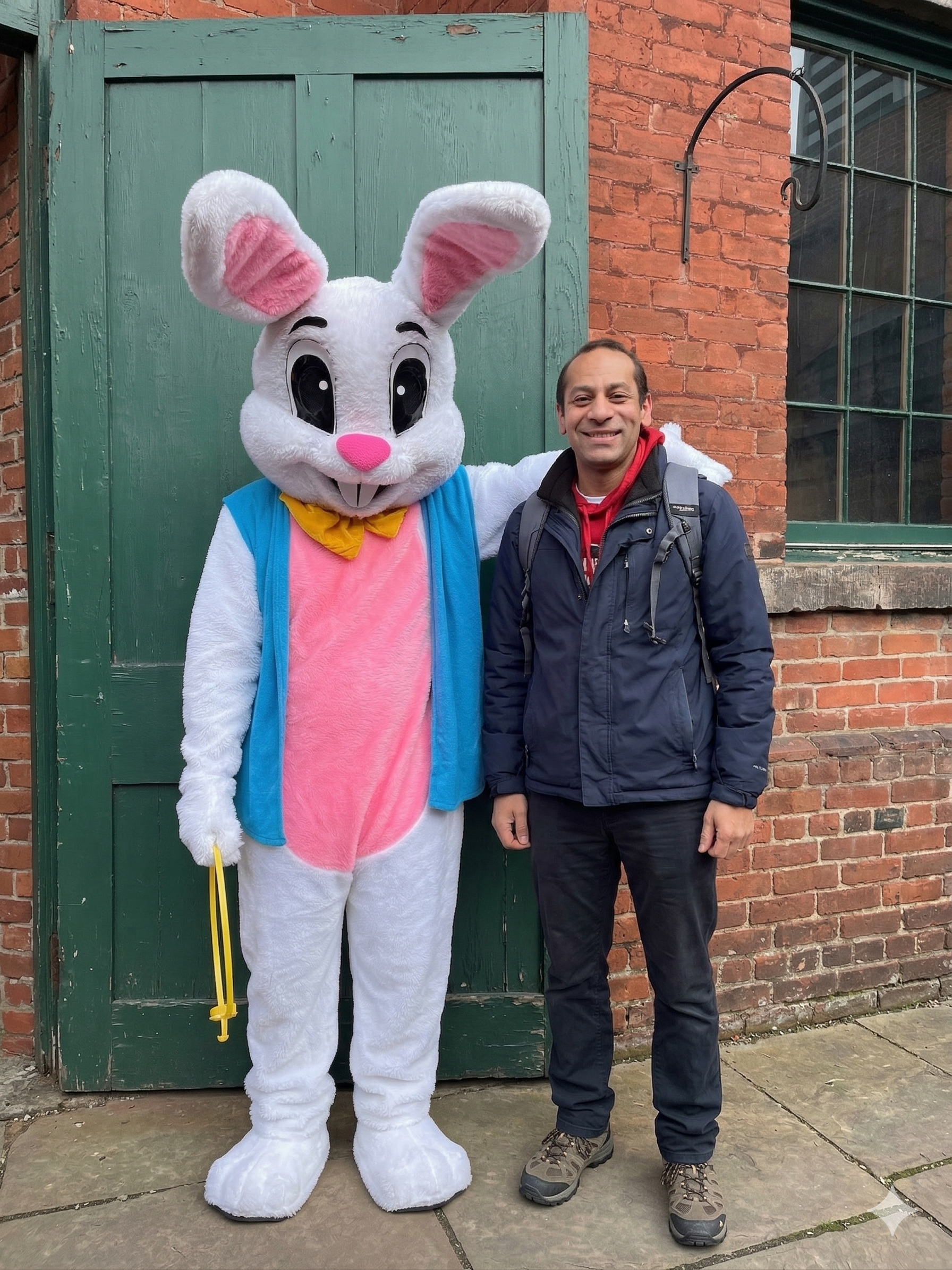
Over the weekend, I took my kids to the 3-day Easter Eggstravaganza event at the historic Distillery District right here in Toronto. It was a fantastic, free community event. But as I navigated the cobblestone streets, the activity queues, and the excited chaos of hundreds of children hunting for eggs, I couldn’t help but see a perfect, real-world reflection of modern Service Management.
As I prepare to deliver my fourth ITIL 5 training session tomorrow, it struck me just how brilliantly this newest iteration of the framework reflects our day-to-day lives. The fast-paced changes of the past few years have completely blurred the lines between digital and physical experiences, and this weekend family event perfectly mirrored the everyday Value Streams we design, support, and optimize for our clients at Qualiti7.
Here are five ITSM masterclasses I learned from an Easter egg hunt.
1. Leveraging Digital Products for Seamless Onboarding
In the past, a free public event of this scale would mean one thing: a massive, frustrating registration bottleneck right at the entrance. That initial friction—standing in line just to get a paper ticket or a wristband—can ruin the customer experience before the service even begins. It’s the physical equivalent of a clunky, legacy software portal that takes ten clicks just to log a simple request.
Instead, the organizers embraced a modern Digital Product approach. They hung QR codes everywhere across the venue. A simple smartphone scan allowed families to register on the spot, bypassing the physical queue entirely. Furthermore, that single scan automatically entered us into an end-of-day raffle.
This is a brilliant application of technology to eliminate a workflow bottleneck while instantly adding bonus value for the user. It shifted the onboarding from a mandatory, annoying chore into an engaging, high-speed first touchpoint.
2. Managing the Internal Department (Amidst Constraints)
Even with registration seamlessly sorted, keeping young kids calm, safe, and entertained while waiting in lines for the actual egg hunts is no small feat! Anyone with children knows that their patience is a highly finite resource.
Standing in those lines, I realized it is the exact metaphor for managing an internal department or a project team. In our daily workspaces, we often have to operate with less-than-ideal tools, outdated legacy systems, or strict budget constraints—our own operational "long lines."
Yet, despite the environmental friction, IT leaders and team members still have to put in the effort to create a positive, functional environment. We manage the constraints, deploy workarounds (in my case, snacks and games to distract the kids), and keep morale high to ensure our immediate team has what they need to succeed when it's finally time to execute.
3. Optimizing the Service Value Chain & Downstream Workflows
Because this was a multi-day event, the organizers faced a massive logistical challenge in IT Asset Management (ITAM): they needed the physical assets (the hidden eggs and the collection baskets) returned to ensure the attendees coming on days two and three had the exact same high-quality experience. If everyone took their baskets home, the service would collapse by Sunday morning.
Their solution was a masterstroke in Service Value Chain optimization. They instituted a workflow exchange system where kids could trade in their collected eggs and borrowed baskets for chocolate at a dedicated booth.
By heavily incentivizing the return of these assets, they ensured the downstream Deliver and Support activities for the next day would go off without a hitch. Returning our baskets meant we were directly contributing to the success of the next team in the workflow. We weren't just thinking about our own localized, isolated experience; we were actively participating in a healthy, end-to-end value stream that sustained the service lifecycle. It’s no different than freeing up server space or properly offboarding software licenses so the next project can use them.
4. The Importance of Continual Improvement
A multi-day event also relies on rapid feedback loops. While I was there, I noticed event staff actively monitoring the flow of people. Were the QR codes scanning properly in the sunlight? Was the line for the chocolate exchange moving fast enough? Did they need to hide the eggs in more obvious places for the younger age groups?
This is the heart of Continual Improvement. You don't just design a service, launch it, and walk away. You observe the metrics—in this case, crowd flow and user satisfaction—and make agile, iterative adjustments to ensure Day 2 runs even smoother than Day 1.
5. The Reality of True Value Co-creation
Ultimately, this brings everything together into the foundational concept of modern ITSM: Value Co-creation.
The event organizers provided an incredible platform—the digital registration system, the beautiful Distillery District location, the hidden assets, the event staff, and the prizes. But providing the platform is only half the equation. The event is only successful if we, the "service consumers," actively participate. They didn't just deliver a service to us; we co-created the value with them.
What was our active role in that creation?
- Adoption: Embracing the digital product by using the QR codes instead of demanding a manual, paper-based process.
- Compliance: Accepting and respecting the queue system, event boundaries, and safety guidelines.
- Effort: Putting in the energy to keep our "internal teams" (our kids) entertained and positive during the wait so we didn't disrupt the environment for others.
- Workflow Continuity: Following the established process to return the physical assets so the cycle could seamlessly continue for the next wave of users.
When we understand that our outputs become someone else's inputs—and that the consumer has a highly active role to play in the service ecosystem—the entire workflow thrives.
Whether you are implementing new enterprise software, restructuring an IT department, or just trying to navigate a weekend festival with your family, the core principles of good service management remain exactly the same.
Have you noticed ITSM principles playing out in unexpected places in your daily life? I'd love to hear your stories.